Franchising in the Philippines:
What You're Actually Buying
A franchise gets sold as a shortcut. It isn't one. It's a trade — you give up a measure of independence and you get a business that has already been figured out. Here's what sits on each side of that trade, and what it looks like to open a Masskara Chicken Inasal.
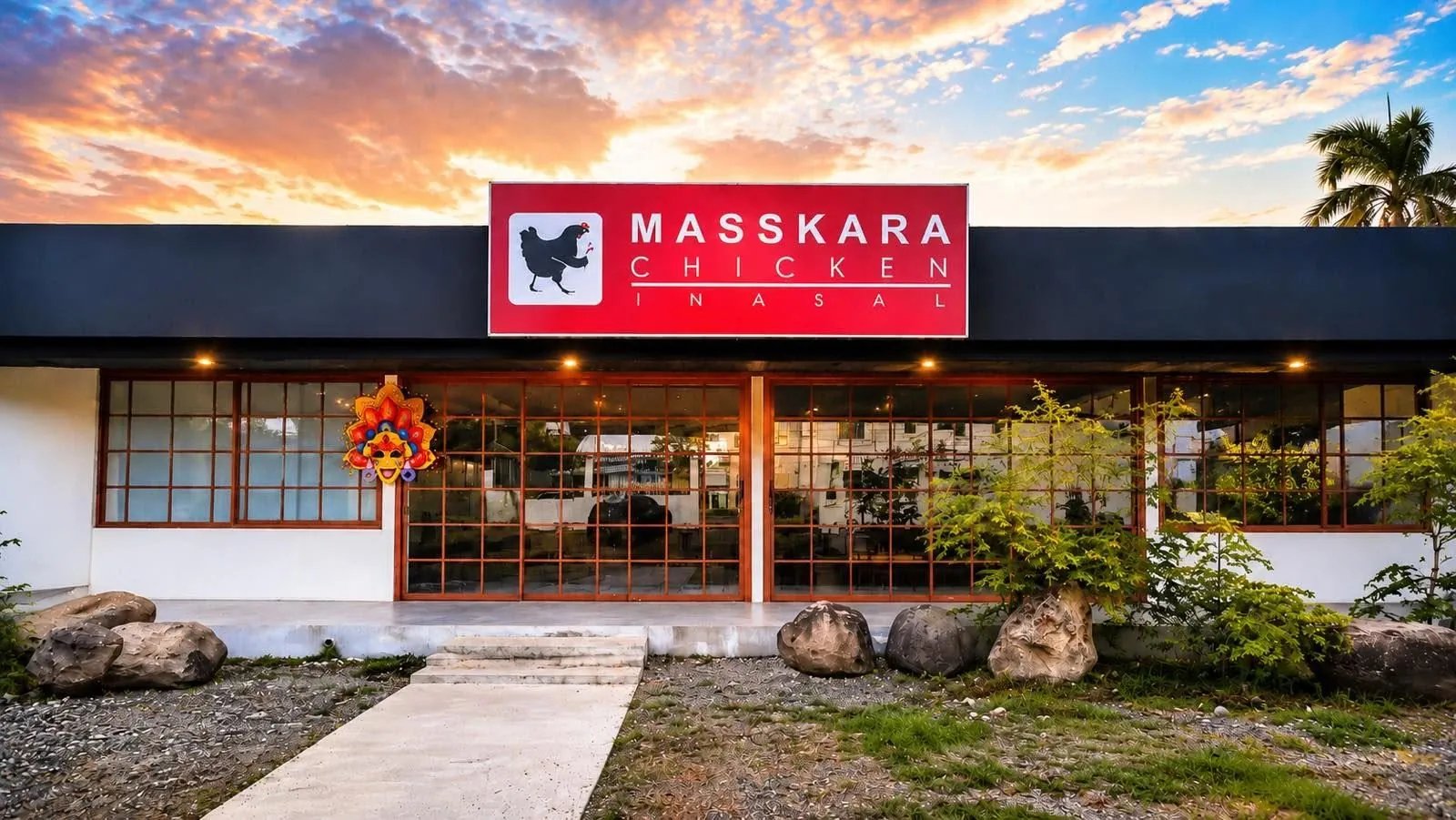
Opening a restaurant from scratch means answering a few hundred questions before you serve a single plate. How long does the chicken marinate. What does a slow Tuesday cost you in wasted stock. Who do you call when the exhaust hood fails at seven in the evening. Independent owners answer those questions the expensive way — one mistake at a time.
A franchise hands you the answers up front. That's the whole proposition, and it's worth understanding properly before you sign anything.
The system arrives finished
A franchisor has already run the experiment. Prep sequences, portion sizes, opening and closing checklists, staff rosters, supplier terms — all of it has been tested across multiple branches and revised where it broke. You inherit the version that works rather than the first draft.
In practice this compresses your timeline. Instead of spending your first year inventing operations, you spend it executing them, which is a very different kind of work: measurable, teachable, and far easier to hire for.
The name walks in before you do
An independent restaurant opens to strangers. A franchise opens to people who already know what's on the menu and roughly what it should taste like. That recognition does the work that would otherwise take months of advertising, and in a crowded food strip it's often the difference between a queue and an empty dining room.
It cuts both ways, which is worth saying plainly. A name that arrives with trust attached can also lose it — one branch serving sloppy food damages every other branch. That's precisely why franchisors are strict about standards, and why the rules can feel tight from the inside.
You're not doing it alone
Support is the part first-time owners tend to underestimate. Beyond the initial training, a good franchisor stays involved: operations manuals that get updated, site visits, help with recruitment, national marketing you didn't have to fund by yourself, and supply arrangements already negotiated on volume.
The less obvious benefit is the other franchisees. A network of owners running the identical business is an unusually honest source of advice — they've hit your problem already, often last quarter, and they have no reason to be vague about it.

Costs are shared, so risk is steadier
Franchising isn't cheap. There's a fee at the front and usually a royalty on sales, and those are real numbers you need to model properly. What you get in return is that the expensive parts — menu development, brand advertising, purchasing power, systems that took years to refine — are spread across the whole network instead of landing on you alone.
Lenders tend to notice this. A business with documented performance across existing branches is easier to underwrite than a first-time concept with a spreadsheet and an idea, and that can make the financing conversation considerably shorter.
What you give up
Anyone who describes franchising as all upside is selling something. The honest counterweight:
- You don't own the recipe. The marinade, the menu and the pricing structure aren't yours to adjust because a supplier got cheaper or a regular asked nicely.
- You follow the standards. Fit-out, uniforms, portioning and service flow are specified, and they get audited.
- You pay ongoing. Royalties continue for as long as the agreement runs, in good months and bad.
- The brand isn't yours to keep. An agreement has a term, renewal conditions, and terms for ending it. Read those closely, ideally with a lawyer.
None of that is a reason not to franchise. It's a description of who franchising suits: operators who want to run something well rather than invent something new.
Why Masskara Chicken Inasal
Chicken inasal came out of Bacolod, and the version we serve is the Bacolod one — calamansi and coconut vinegar forward, no sugar doing the work, chicken over charcoal rather than gas. It's a narrow specialty done strictly, which is a much easier thing to replicate consistently than a broad menu.
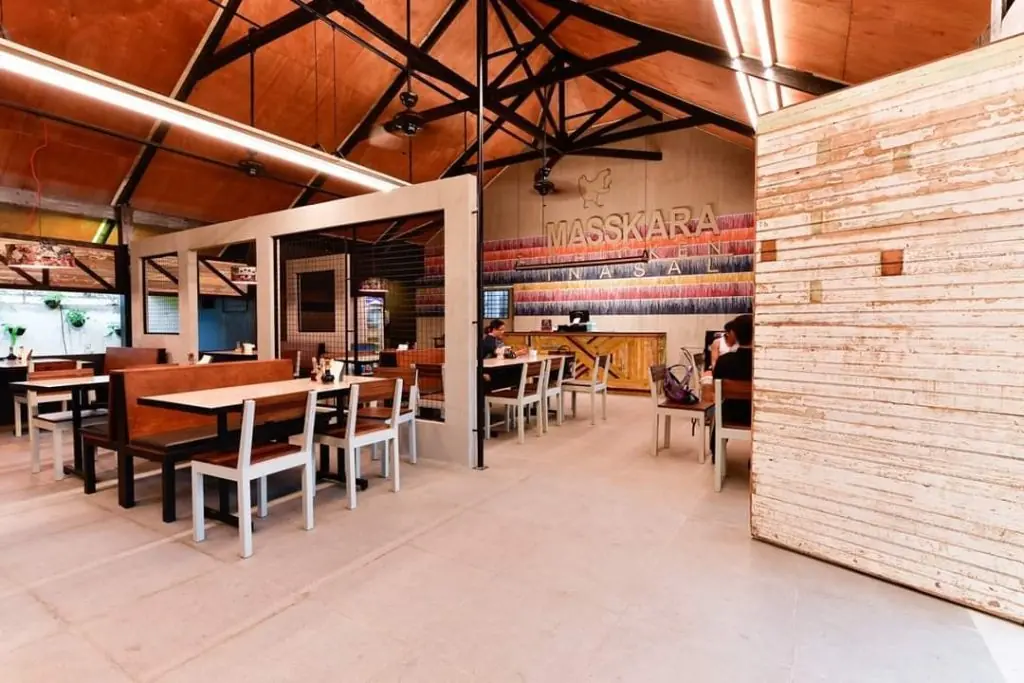
There are eight branches today: five in Bacolod — 6th Street, East NGC, Buri Road, Old Airport and La Salle — two in Iloilo City, and one in Victorias. The dining rooms carry the same identity in each one: reclaimed panels from old Bacolod houses, MassKara masks on the walls, air-conditioning, and enough seating for a family that ordered too much.
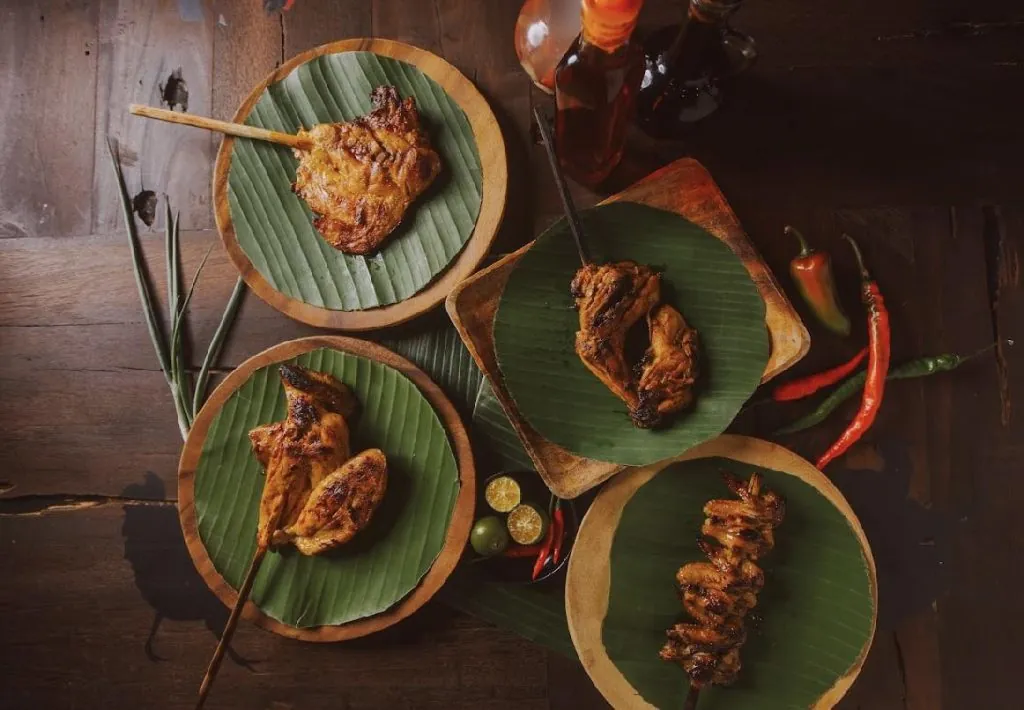
If you're weighing a food franchise in the Visayas or beyond, and a regional specialty with a real origin story appeals more than a generic concept, we'd like to hear from you.
How to enquire
Send one message with the following, and we can give you a useful answer instead of a form reply.
What to include in your first message
- 1 · Who you are
- Full name, phone number and email, plus a short note on any business or food-service experience you have.
- 2 · Where
- The city and region you have in mind, and anything you know about the site — foot traffic, nearby anchors, whether you already hold the lease.
- 3 · Why
- What draws you to this brand specifically, and what you want to ask about investment, day-to-day operations or the support we provide.
- 4 · When
- Your availability for a call or a meeting over the next couple of weeks.
Send us a message or call the number below. If your proposed location is somewhere we're already committed, we'll tell you straight away rather than let it sit.
Start the conversation
Tell us where you're thinking of opening and we'll take it from there.